
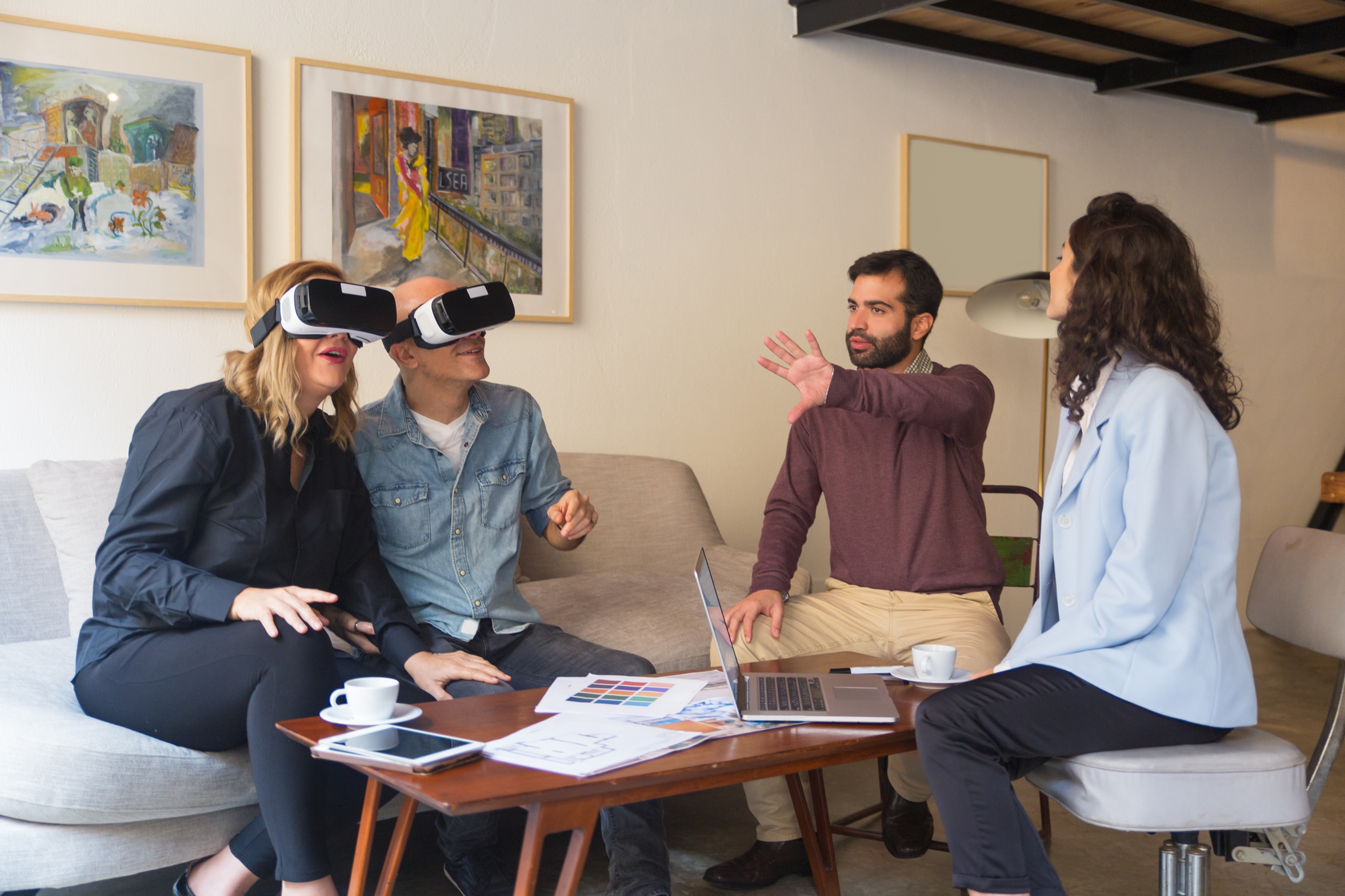
Artificial Intelligence (AI) has quietly woven itself into the fabric of our daily existence. Once considered a futuristic concept, it now shapes how we live, work, communicate, and even think. From the moment we wake up to personalized smartphone alarms to the curated playlists that accompany our commute, AI has become the invisible force orchestrating much of modern life.
The Subtle Presence of AI
Most people interact with AI dozens of times each day—often without realizing it. Smart assistants like Siri and Alexa, streaming recommendations from Netflix or Spotify, and even spam filters in our email inboxes are all powered by AI algorithms. These systems learn from our habits, preferences, and interactions to make our lives more convenient and tailored.
AI has also revolutionized industries behind the scenes. Healthcare systems now use machine learning to detect diseases early through imaging and data analysis. In transportation, self-driving cars and AI-assisted logistics are improving safety and efficiency. Even in agriculture, AI monitors crop health through satellite imagery and sensors, increasing productivity while minimizing waste.
Redefining Work and Creativity
AI’s growing intelligence isn’t just changing what we do—it’s reshaping how we do it. Automation has taken over repetitive tasks in manufacturing, data entry, and customer support, freeing humans to focus on more creative and strategic roles. Tools like ChatGPT, DALL·E, and Midjourney have even blurred the line between human and machine creativity, enabling artists, writers, and designers to explore new dimensions of innovation.
However, this technological shift also sparks debates. While AI enhances efficiency, it also raises questions about job displacement and digital ethics. The key lies in adaptability—embracing lifelong learning to remain relevant in an AI-driven world.
Ethical and Social Implications
As AI becomes smarter, the responsibility to use it wisely grows stronger. Issues like data privacy, algorithmic bias, and misinformation have emerged as serious global concerns. Who controls AI? Who ensures its fairness? And can machines ever truly understand human values?
Governments and organizations worldwide are developing frameworks to ensure AI is used ethically, promoting transparency and accountability. Still, the human factor remains irreplaceable. AI can analyze information, but it lacks empathy, moral judgment, and emotional intelligence—qualities that define our humanity.
A Future of Collaboration, Not Competition
The rise of AI is not the beginning of human obsolescence—it’s the dawn of collaboration. The most successful future will not be one where AI replaces humans, but where humans and machines work side by side, complementing each other’s strengths.
By learning to harness AI responsibly, we can build a world that is more efficient, connected, and inclusive. The question is not whether AI will change our lives—it already has—but how we, as a global society, choose to guide its evolution.
